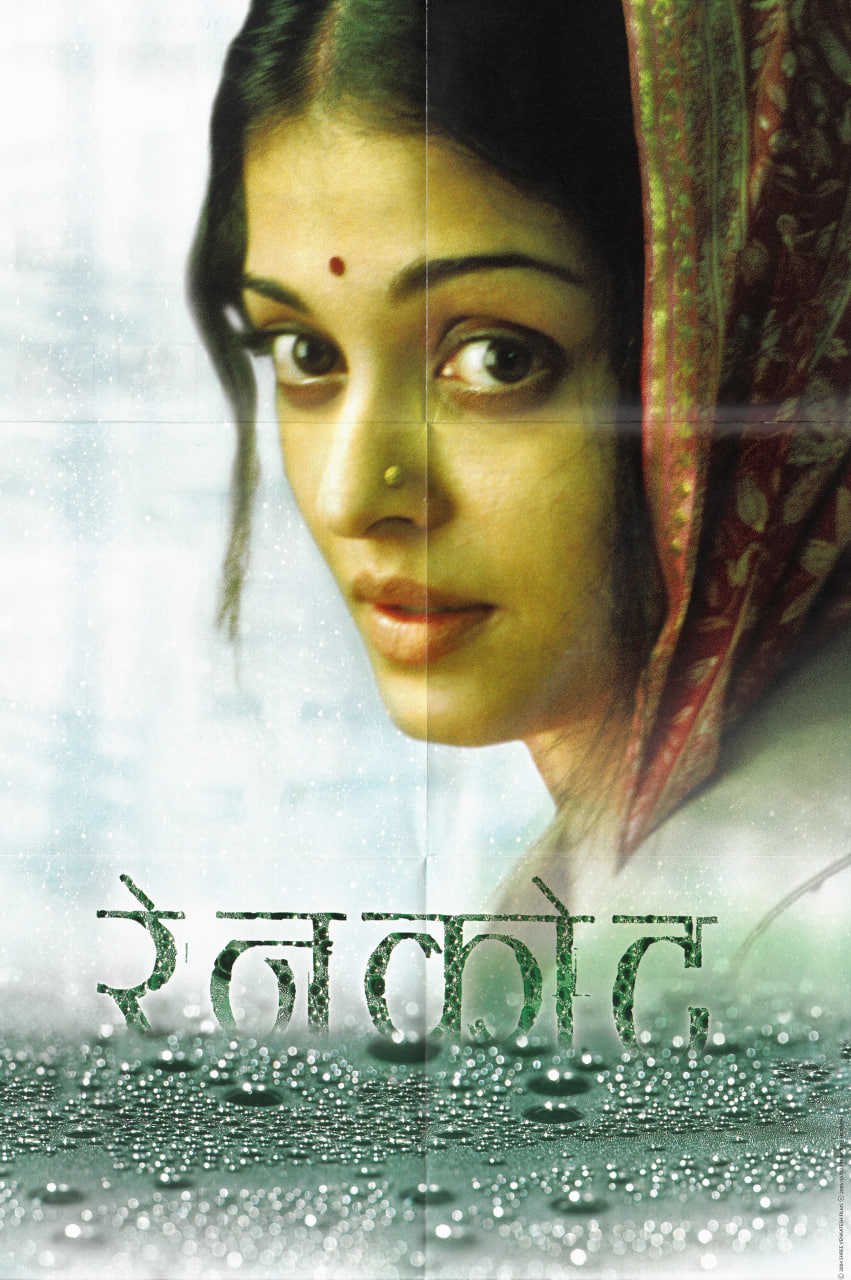
Raincoat
Music by Debojyoti Mishra · 2004
A film by Rituparno Ghosh
An album that doesn’t ask you to listen. It asks you to feel.
Very underrated
Written byMedhanshu Sharma
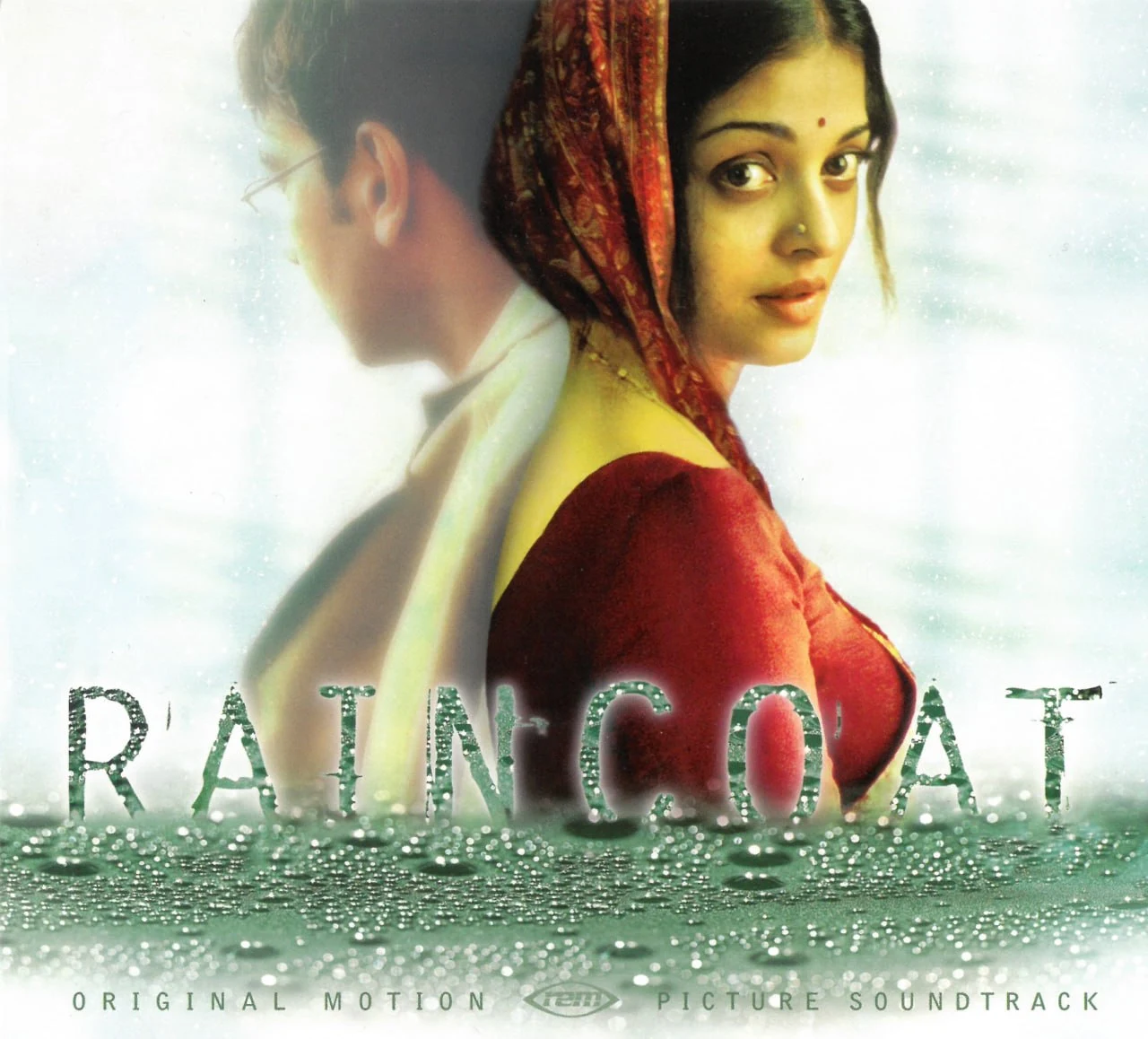
There are very few film soundtracks that continue to reveal themselves years after you first hear them. Most albums give away everything within a few listens. Raincoat does the exact opposite. The more you return to it, the more it quietly unfolds. Its beauty isn’t immediate; it grows on you with time, almost like an old memory that becomes clearer every time you revisit it.
Released in 2004, Rituparno Ghosh’s Raincoat remains one of the finest examples of how music can become an extension of cinema rather than merely accompanying it. The soundtrack doesn’t exist to provide chartbusters or commercial breaks between scenes. Instead, it breathes with the film. It carries the emotions that the characters themselves are unable to express.
The composer
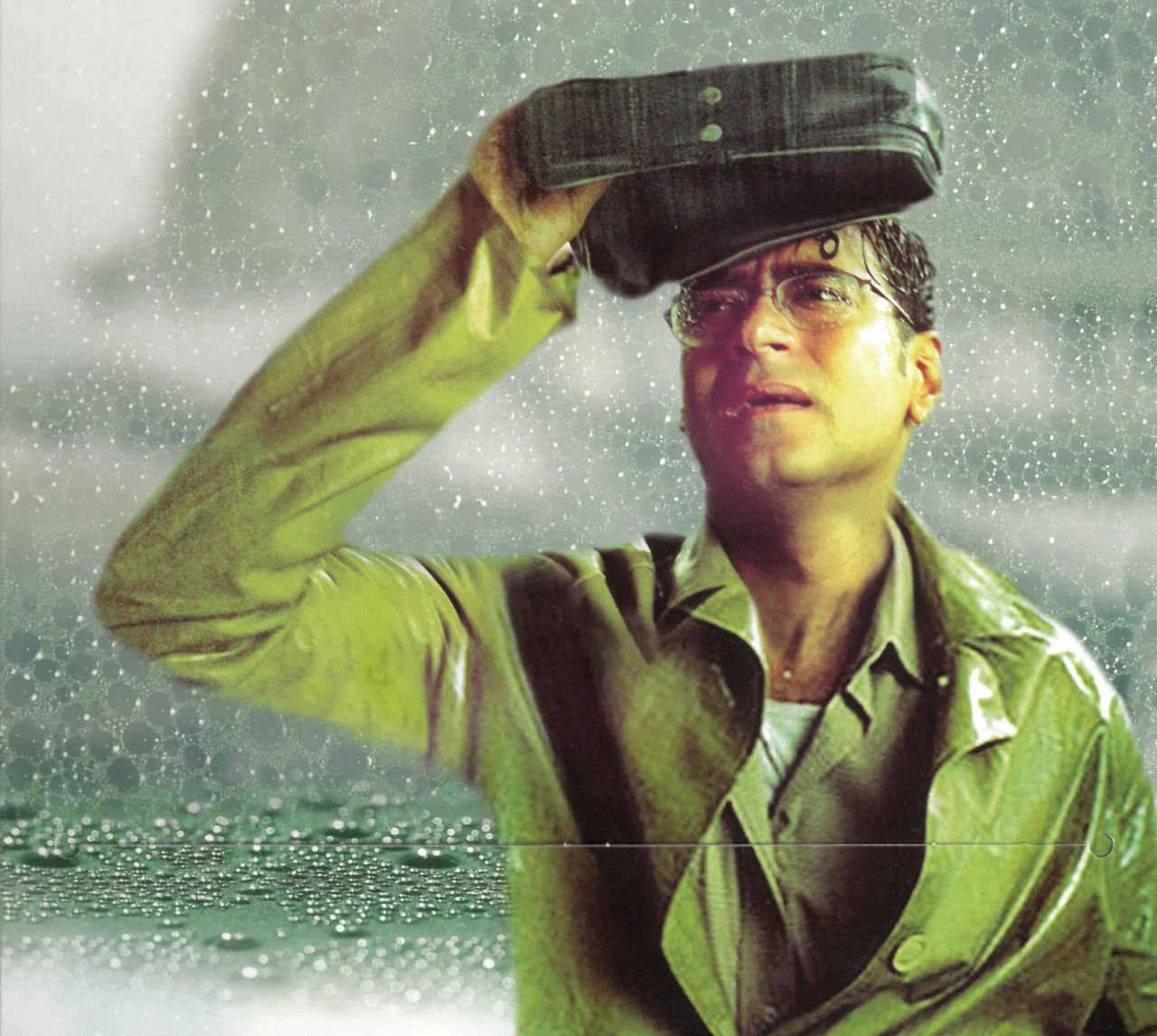
At the heart of this extraordinary work is Debojyoti Mishra a composer whose name deserved far greater recognition in Hindi cinema. Trained from childhood, an accomplished violinist, and someone who worked closely with legends like Salil Chowdhury and Ilaiyaraaja, Mishra brought together an astonishing range of musical influences. One can hear echoes of Hindustani classical music, Rabindra Sangeet, Bengali folk traditions, Western orchestral writing, and even European classical sensibilities. Yet none of these influences feel borrowed. They dissolve into a language that is unmistakably his own.
Perhaps what makes Debojyoti Mishra so unique is that he doesn’t compose music merely from musical ideas. His melodies seem to emerge from poetry, literature, painting, and human emotion itself. Every composition feels carefully sculpted rather than manufactured. There is thought behind every pause, every violin phrase, every flute passage, every moment of silence. His orchestration is never excessive, yet it possesses remarkable richness. Even when the arrangements are minimal, they carry enormous emotional weight.
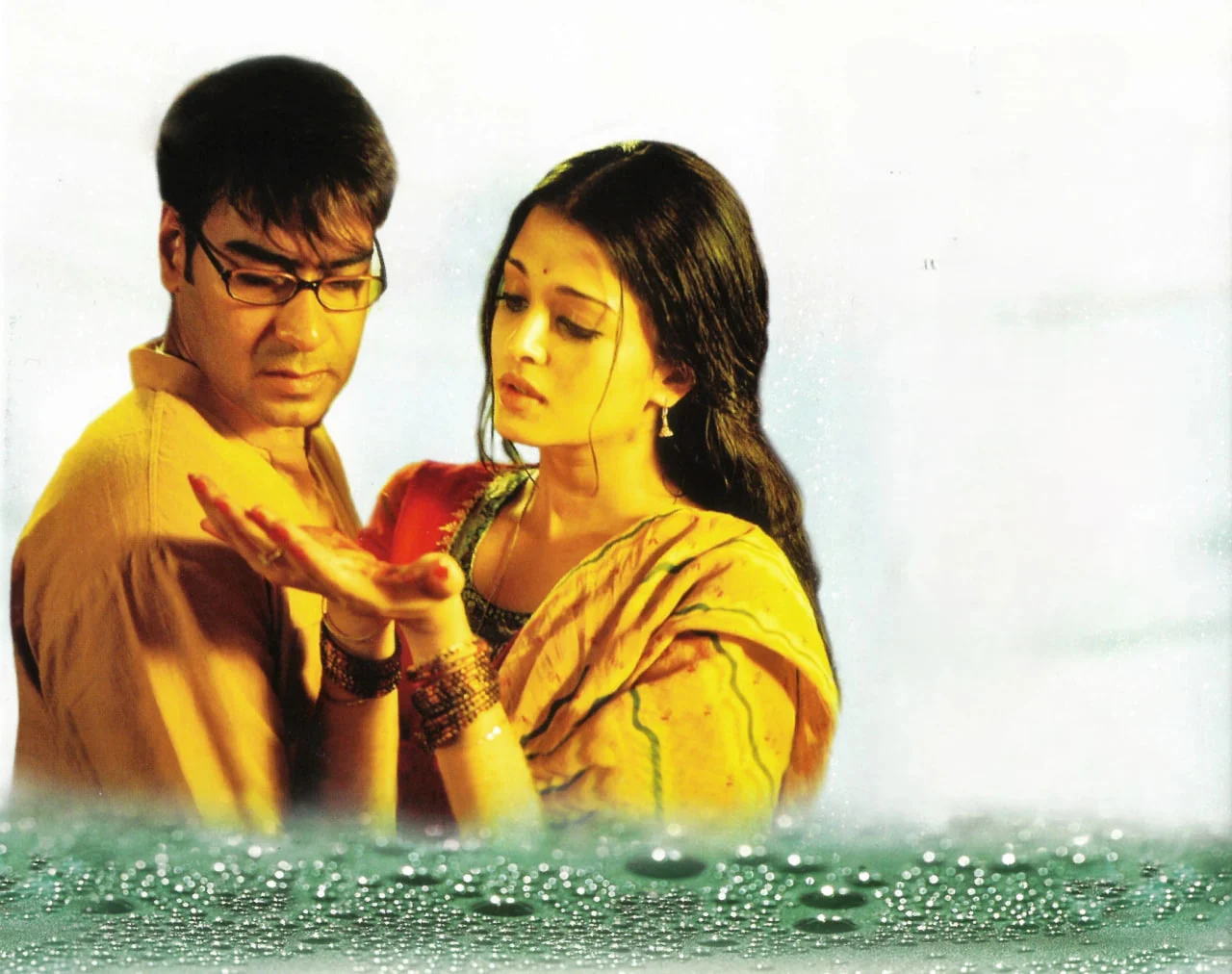
The film itself tells the story of two former lovers, played with heartbreaking restraint by Ajay Devgn and Aishwarya Rai. Once engaged, circumstances separated them before marriage. Years later, on a rainy evening in Kolkata, they meet again. Both pretend that life has treated them kindly. Both hide the pain, loneliness and hardships they have endured. Their conversation is polite, gentle, even hopeful on the surface but underneath lies an ocean of unspoken truth. It is this emotional silence that the music fills.
Listening to this soundtrack without having seen the film is still a deeply moving experience. But after watching Raincoat, the songs begin to carry an entirely different meaning. Suddenly every melody feels like an unfinished sentence, every refrain like an emotion that could never be spoken aloud.
The lyrics by Gulzar, along with contributions from Rituparno Ghosh, deserve equal praise. They are poetic without becoming inaccessible, philosophical without sounding intellectual for the sake of it. The words never explain emotions directly. Instead, they allow the listener to discover those emotions naturally. Like all great poetry, they become more meaningful with each passing year.
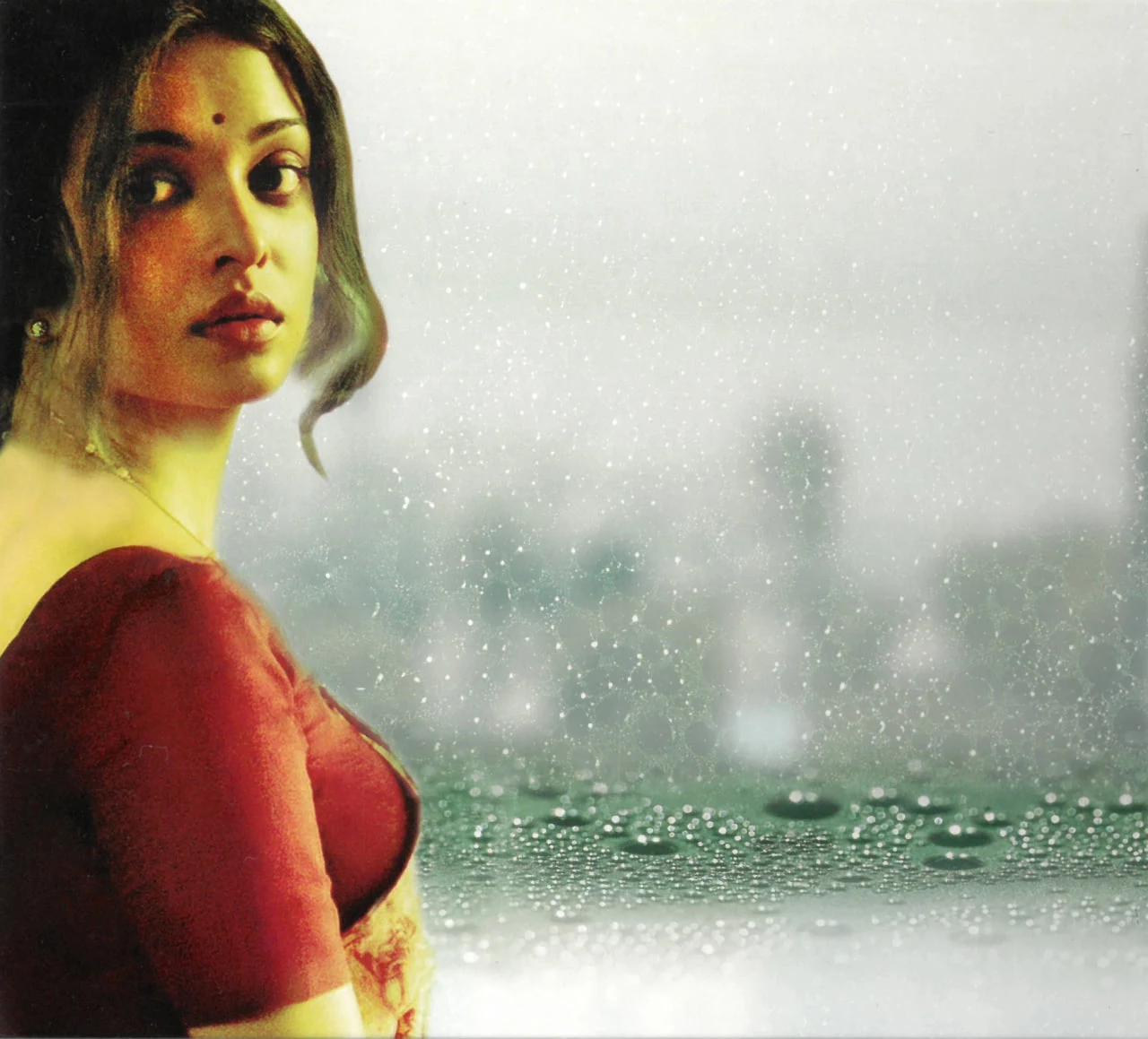
The soul of this album undoubtedly belongs to Shubha Mudgal.
Her voice carries an authority that only years of classical training can produce, yet it never feels like a display of technical brilliance. There is immense emotion beneath every note she sings. Few playback performances capture both discipline and vulnerability with such grace.
“Mathura Nagarpati” stands among the finest devotional compositions produced for Hindi cinema in the last few decades. While rooted in Krishna bhakti, the song transcends religious boundaries and becomes a meditation on longing itself. The composition flows effortlessly through classical phrases while remaining deeply melodic. The powerful chorus, subtle rhythmic textures, and magnificent orchestration create an atmosphere that is both grand and intimate. This is one of those rare songs that seems to grow larger every time you hear it.
Then comes “Piya Tora Kaisa Abhimaan” arguably the emotional centrepiece of the album.
Presented in both Shubha Mudgal’s and Hariharan’s voices, the two versions don’t compete with one another; instead, they complete each other. Shubha’s rendition carries quiet pain and restrained yearning, while Hariharan brings a different emotional colour altogether. The melody itself is astonishing deeply rooted in classical traditions yet wrapped in an almost mysterious atmosphere. The pauses between the phrases are as expressive as the notes themselves. It is one of those compositions where silence becomes part of the music.
“Raha Dekhe” is brief, almost fleeting, but leaves behind an indescribable feeling. Sometimes the shortest compositions stay with us the longest. There is something profoundly intimate about its simplicity that is difficult to put into words.
Even the shorter situational pieces such as “Akele Hum Nadiya Kinare”, “Hamari Galiyan Hoke Aana”, and “Jug Jiye” serve an important purpose. They are not standalone commercial songs; they exist as emotional fragments within the narrative. They complete the atmosphere of the film rather than seeking attention for themselves.
- 01Mathura NagarpatiShubha Mudgal
- 02Piya Tora Kaisa AbhimaanShubha Mudgal
- 03Piya Tora Kaisa AbhimaanHariharan
- 04Raha DekheShubha Mudgal
- 05Akele Hum Nadiya KinareShubha Mudgal
- 06Hamari Galiyan Hoke AanaMeena Mishra
- 07Jug JiyeMeena Mishra
Lyrics by Rituparno Ghosh, except Piya Tora Kaisa Abhiman, written by Gulzar.
What strikes me most about Raincoat is its honesty.
In today’s world, film music is often built around instant hooks, loud production and viral appeal. Albums are designed to grab attention within the first thirty seconds. Raincoat belongs to a completely different philosophy. It never tries to impress the listener. It simply remains sincere to its story.
There was a time when composers would spend weeks, sometimes months, perfecting a single classical composition for cinema. They cared about every raga, every instrument, every vocal nuance, because they understood that music wasn’t just entertainment it was storytelling. Listening to Raincoat reminds me of that tradition. It is one of the few albums from the modern era that carries the same dedication and respect for Indian classical music while still sounding fresh and cinematic.
This is not an album for everyone, and it never tries to be. If one approaches it expecting dance numbers or instantly memorable hooks, it may feel quiet, even difficult. But for listeners who appreciate melody over noise, poetry over slogans, and emotional depth over commercial spectacle, Raincoat becomes an unforgettable experience.
More than twenty years later, its music has aged with extraordinary grace. In fact, it feels even more precious today because albums like this are becoming increasingly rare. Every revisit uncovers a new orchestral detail, a poetic line that suddenly strikes differently, or a subtle emotion hidden beneath the surface. That is the mark of truly timeless music.
Comments
Sign in with Google or email to join in. You can edit a comment for 15 minutes after posting.